City opens Bellevue Therapeutic Unit in push to ease Rikers health crisis
New York City has opened a 104-bed therapeutic housing unit at Bellevue for incarcerated people with serious medical and mental health needs as part of its push to reduce reliance on Rikers Island.
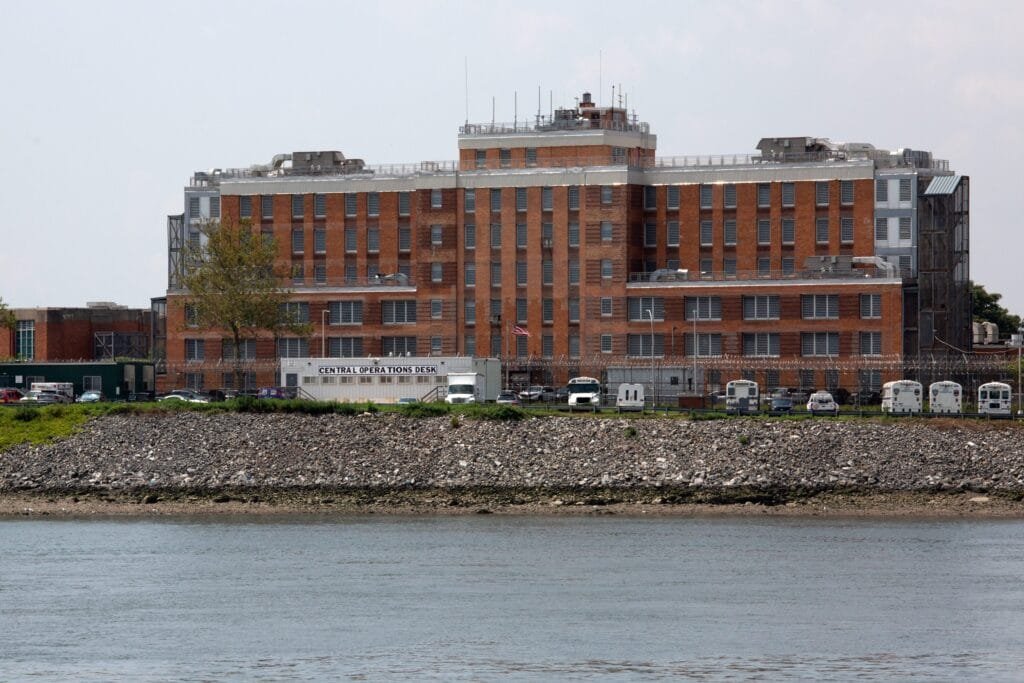
New York City has opened a new outposted therapeutic housing unit at NYC Health + Hospitals/Bellevue, creating a hospital-based space for incarcerated people with acute medical and serious mental health needs as part of the city’s broader effort to reduce reliance on Rikers Island.
City officials described the Bellevue unit as the first facility of its kind in the city. The site includes 104 beds, with patient transfers expected to begin immediately. According to the administration, the model is designed to give people in custody faster access to hospital-level services instead of requiring repeated transfers from Rikers for care.
Mayor Zohran Kwame Mamdani said the opening marks “a major milestone on the path to closing Rikers,” while also acknowledging the severe conditions that have long defined the jail complex. He noted that more than 100 people have died on Rikers since 2015 and said the island has become a de facto mental health facility for many people who should be receiving treatment in more appropriate settings.
Public Advocate Jumaane Williams framed the new unit as part of a wider debate about safety, health, and incarceration. He said the facility represents “a long overdue step toward aligning our justice system with basic human dignity,” arguing that people in custody with serious health conditions have too often endured long and harmful transfers just to receive routine care.
Health officials said the need for the unit became clear years ago. Dr. Patsy Yang, senior vice president for Correctional Health Services at NYC Health + Hospitals, said many medically vulnerable patients had previously declined treatment because the trip between Rikers and Bellevue was too difficult to endure. She said the new unit was designed so that needed care would be, at most, “an elevator ride away.”
The city says Bellevue is only the first phase. Similar units are planned for Woodhull Hospital in Brooklyn and North Central Bronx Hospital, with completion projected by 2029. Once all three are open, officials say the system will have 340 therapeutic beds in total.
The opening also raises larger questions about the future of detention in New York City. Supporters argue that specialized hospital-linked care can reduce harm, improve treatment access, and help the city move away from a correctional model that has long failed both detainees and staff. Critics, however, may ask whether people with such serious medical needs should remain incarcerated at all, especially when many on Rikers are being held pretrial.
That tension sits at the heart of the city’s challenge. The immediate significance of the Bellevue unit is practical: it may reduce suffering for some of the sickest people in custody and ease some pressure on a deeply troubled jail system. The larger test will be whether the city can turn that institutional improvement into broader structural change — not only by improving care, but by shrinking the population that depends on Rikers in the first place.
About The Author