Iran signals two-week Strait of Hormuz opening in response to Pakistan mediation
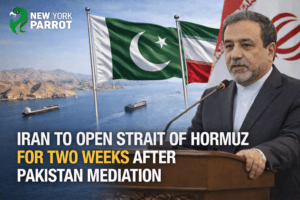
Iran says it will allow two weeks of safe passage through the Strait of Hormuz in response to Pakistan-led diplomacy, creating a fragile opening for talks with the United States.
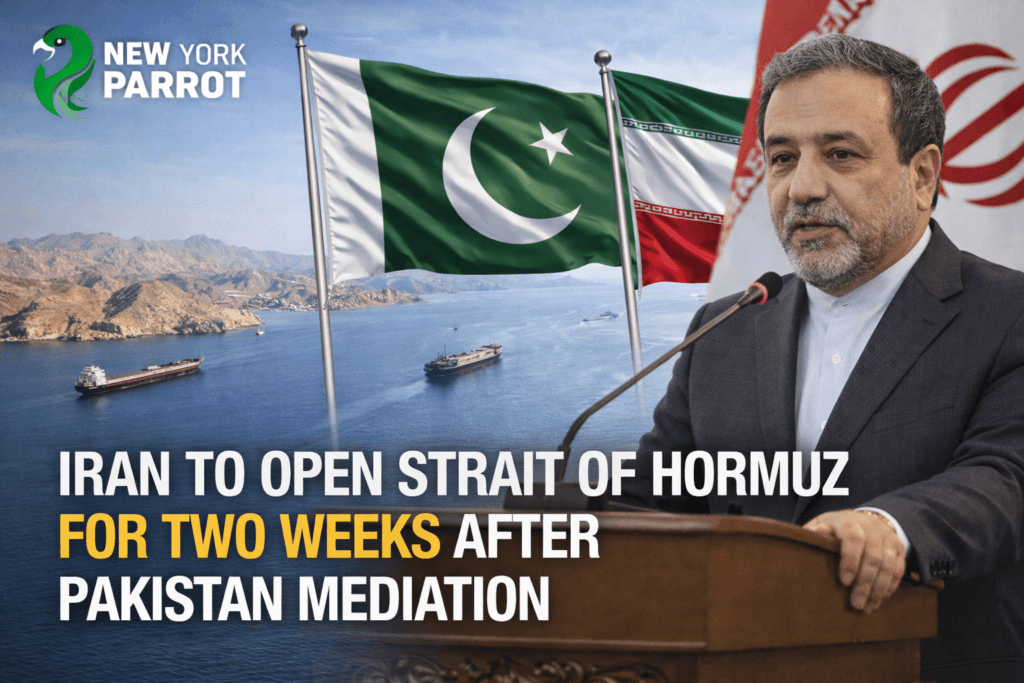
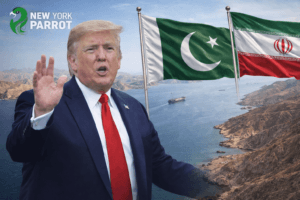
Iran has signaled that it will allow safe passage through the Strait of Hormuz for two weeks, following a diplomatic push led by Pakistan and amid a fragile pause in the U.S.-Iran conflict. Reuters reported that Iran agreed to a temporary arrangement tied to a two-week ceasefire, with shipping passage through the strait to be coordinated under Iranian military oversight.
The latest statement, attributed to Iranian Foreign Minister Abbas Araghchi, said Tehran was responding to requests from Pakistan Prime Minister Shehbaz Sharif and Field Marshal Asim Munir, while linking the move to a halt in attacks against Iran and to renewed negotiations with Washington. Reuters separately reported that Pakistan had sought a two-week ceasefire and asked Iran to reopen the Strait of Hormuz as a goodwill gesture to create room for diplomacy.
The development follows President Donald Trump’s announcement that the United States would suspend planned strikes on Iran for two weeks if the strait was reopened safely and immediately. Reuters reported that Trump described the pause as part of a Pakistan-mediated truce and said an Iranian proposal could provide a basis for further talks.
The significance of the move extends far beyond military signaling. The Strait of Hormuz is one of the world’s most critical oil transit routes, and its disruption has rattled energy markets, shipping, and global supply chains. Reuters reported that oil prices fell sharply after news of the ceasefire and reopening arrangement, reflecting investor hopes that a broader regional escalation might be avoided.
The pause remains fragile as Reuters reported that earlier in the day Iran had rejected a temporary ceasefire proposal before later moving toward the current arrangement, underscoring how quickly the situation has shifted. Other reporting has also noted that the truce remains vulnerable to renewed attacks, conflicting interpretations, and unresolved demands on both sides.
For now, the immediate outcome is clear: Pakistan’s mediation appears to have helped create a narrow diplomatic opening, Iran is signaling limited access through Hormuz, and the United States has paused a further round of military escalation. Whether that develops into a durable agreement will depend on what happens during the next two weeks at both the negotiating table and in the waterway itself.
About The Author