Muslim Intellectual Freedom, Israel’s Security, and the Future of the Ummah

In moments of deep geopolitical turbulence and ideological confusion within the Muslim world, the most difficult task is often the simplest one: telling the truth without fear. Too often, the global Muslim discourse has been trapped between emotional populism and intellectual paralysis. The result has been a fragmented ummah struggling to define its strategic interests in a rapidly changing world.
For decades, the Muslim world has been conditioned to react rather than to think, to follow slogans rather than to build coherent policies. Political rhetoric has frequently replaced intellectual honesty, and moral outrage has been weaponized while strategic reasoning has been neglected. This pattern has not strengthened Muslim societies; it has weakened them.
Independent thinking, rooted in faith, reason, and ethical responsibility, is therefore not a luxury. It is a necessity.
Islamic civilization historically thrived when Muslim scholars, jurists, philosophers, and leaders exercised intellectual independence. From the golden age of Baghdad to the intellectual traditions of Andalusia and Timbuktu, Muslim societies produced thinkers who were unafraid to question prevailing narratives while remaining deeply grounded in faith.
Today, however, much of the Muslim political conversation has been hijacked by extreme voices driven more by anger than by wisdom. These voices offer emotional gratification but no viable roadmap for stability, prosperity, or global respect.
One uncomfortable but essential reality must be acknowledged: sustainable peace and stability in the Middle East—and by extension within the Muslim world—cannot be built on perpetual hostility toward the State of Israel. Whether one agrees with Israeli policies or not, the geopolitical fact remains that Israel exists as a sovereign state with global alliances, technological power, and military capabilities that cannot simply be wished away.
The security of Israel and the stability of the broader region are interconnected. Endless hostility does not liberate Muslims; it traps them in cycles of conflict that drain resources, destabilize governments, and empower extremists who thrive on chaos.
If Israel lives in perpetual insecurity surrounded by hatred, the resulting instability inevitably reverberates across the Middle East and the Muslim world.
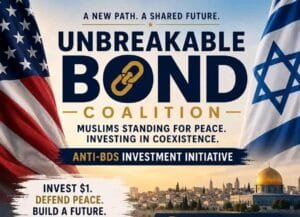
Conversely, when Israel’s existence and security are accepted within a framework of diplomacy and coexistence, opportunities emerge for economic cooperation, regional development, and political normalization.
The question before the Muslim world, therefore, is not whether emotions can be mobilized against Israel. That has been done for generations. The real question is whether Muslim leadership can cultivate the intellectual courage required to pursue long-term peace, dignity, and prosperity for their people.
Independent thinkers—whether religious leaders, scholars, or civic voices—play a critical role in this transformation. Their task is not to please the crowd but to illuminate the path toward rational engagement, coexistence, and strategic maturity.
The future of the ummah cannot be built on hatred. It must be built on knowledge, courage, and moral clarity.
Islam teaches dignity, justice, and wisdom. Those principles demand that Muslims think critically, act responsibly, and pursue peace where possible without compromising their values.
The Muslim world does not need more anger. It needs more thinkers. And above all, it needs the courage to confront uncomfortable truths in order to secure a better future for generations to come.
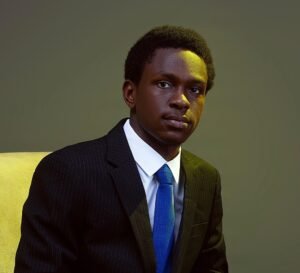
About The Author