Islam Must Stop Whispering About Addiction
by Sheikh Musa Drammeh
Chairman, National Center for Health Equity (NCHE)
There are two mistakes communities often make when confronting substance abuse. The first is to normalize it. The second is to hide it. Muslim communities, by and large, do not normalize it. But too often, we hide it. And what is hidden festers. What is silenced deepens. What is denied begins to devour families from within.
Let us speak clearly: Islam does not permit substance abuse. It does not flirt with it. It does not excuse it. It does not romanticize intoxication in the name of modernity, entertainment, or personal freedom. The Islamic position is firm, principled, and protective. Intoxicants are prohibited because they damage the mind, weaken the soul, destabilize the family, and corrode society. That prohibition is not harshness. It is mercy.
Islam understands something modern culture too often forgets: when the mind is poisoned, the person is endangered; when the person is endangered, the family is shaken; when the family is shaken, the community begins to fracture. This is why intoxicants are not a private issue alone. They are a public health issue, a family issue, a moral issue, and a social issue.
In the Islamic tradition, khamr is not just a bottle. It is any substance that clouds judgment, impairs reason, and pulls the human being away from self-mastery, moral accountability, and remembrance of God.
Alcohol, narcotics, abusive use of prescription medication, cannabis when used as an intoxicant, cocaine, heroin, methamphetamine, and every other mind-altering substance misused for intoxication belong in this conversation.
Islam is not interested in semantic escape routes. If it destroys clarity, dignity, and balance, it belongs among the forbidden.
Yet despite this clarity, addiction still exists within Muslim communities. That is the uncomfortable truth we must confront. It exists in immigrant homes, in affluent homes, in poor homes, among the young, among the middle-aged, and even among those who appear outwardly religious. It exists not because Islam failed, but because human beings struggle, societies change, pressures intensify, and pain often goes untreated.
This is where many communities become dangerous to their own people. Instead of responding with wisdom, they respond with shame. Instead of intervention, they offer gossip. Instead of treatment, they offer denial. Instead of understanding addiction as a complex human crisis, they reduce it to laziness, weak faith, bad character, or even superstition. In doing so, they do not solve the problem. They drive it underground.
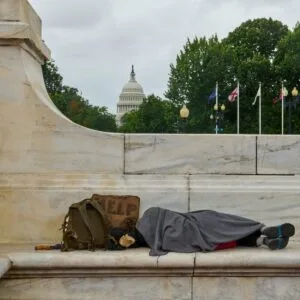
A hidden addiction is often more dangerous than a visible one. The young Muslim man who cannot tell his parents he is using drugs because of disgrace. The woman self-medicating with pills while maintaining a smiling public image. The family quietly collapsing because no one wants the community to know. The teenager numbing trauma with substances while the adults keep speaking only of reputation. This is not piety. This is paralysis.
Islam forbids the substance, yes. But Islam does not forbid compassion. Islam condemns the sin, but it does not close the door of mercy. Islam calls people away from destruction, but it also calls the community to help pull them back from the edge. That is why repentance in Islam is so powerful. Tawba is not public humiliation. It is not permanent labeling. It is not spiritual exile. It is the return path. It is the declaration that no one is beyond God’s mercy and no one should be abandoned to their lowest moment.
We must therefore say something with force and tenderness at the same time: addiction is not only a moral problem. It is also a health problem. It is not only spiritual; it is psychological, neurological, emotional, and social. A person may need prayer, yes, but also detoxification. Qur’an, yes, but also counseling. Dhikr, yes, but also rehabilitation. Faith and treatment are not enemies. They are allies.
This is where Muslim communities must mature. The Imam must not become merely a condemner when he should also be a guide. The family must not become merely an enforcer when it should also become a refuge. The community must not be a court of public shame when it should be a structure of restoration. We need culturally literate, spiritually grounded, clinically competent responses. We need more partnerships between mosques, therapists, physicians, recovery specialists, and community health advocates. We need to stop pretending that sermons alone can solve what untreated trauma, depression, peer pressure, social isolation, and chemical dependency have built.
At the National Center for Health Equity, we understand that healthy communities are not built by silence. They are built by truth, prevention, and access to care. This is why the conversation around substance abuse must move from whispers to responsible action. If we care about lifestyle lifespan, then we must care about what is shortening lives, damaging minds, and quietly destabilizing households.
Prevention begins long before addiction. It begins with how we raise children, how we discuss pain, how we model discipline, how we respond to stress, and whether our homes and institutions produce trust or fear. It begins with families that talk honestly, communities that educate early, and leaders who know that a child’s future can be saved by one timely intervention. It begins with making sobriety honorable, help-seeking normal, and treatment accessible.
And for those already struggling, the message must be unmistakable: you are not beyond help. You are not beyond dignity. You are not beyond return. But you must not romanticize your chains, and your community must not decorate your suffering with silence.
Substance abuse is prohibited in Islam because Islam wants human beings free: free in mind, free in spirit, free in conscience, free in family life, free in worship, free in purpose. Intoxication is not liberation. It is captivity disguised as relief.
If Muslim communities truly want to protect faith, family, and future, then we must stop hiding this crisis behind respectability. We must confront it with courage, treat it with intelligence, and heal it with mercy.
Because addiction does not only threaten the sinner. It threatens the society that refuses to respond.
Sheikh Musa Drammeh
Chairman, National Center for Health Equity (NCHE)
#LifestyleLifespan
www.nationalhealthequity.org/
lifestylelifespan@gmail.com
About The Author