Fordham Professor says 80th birthday silence reveals “corporate university” culture
A longtime Fordham professor reflects on turning 80 without institutional recognition, raising questions about loyalty, legacy and the corporate culture of universities.
By Mutiu Olawuyi
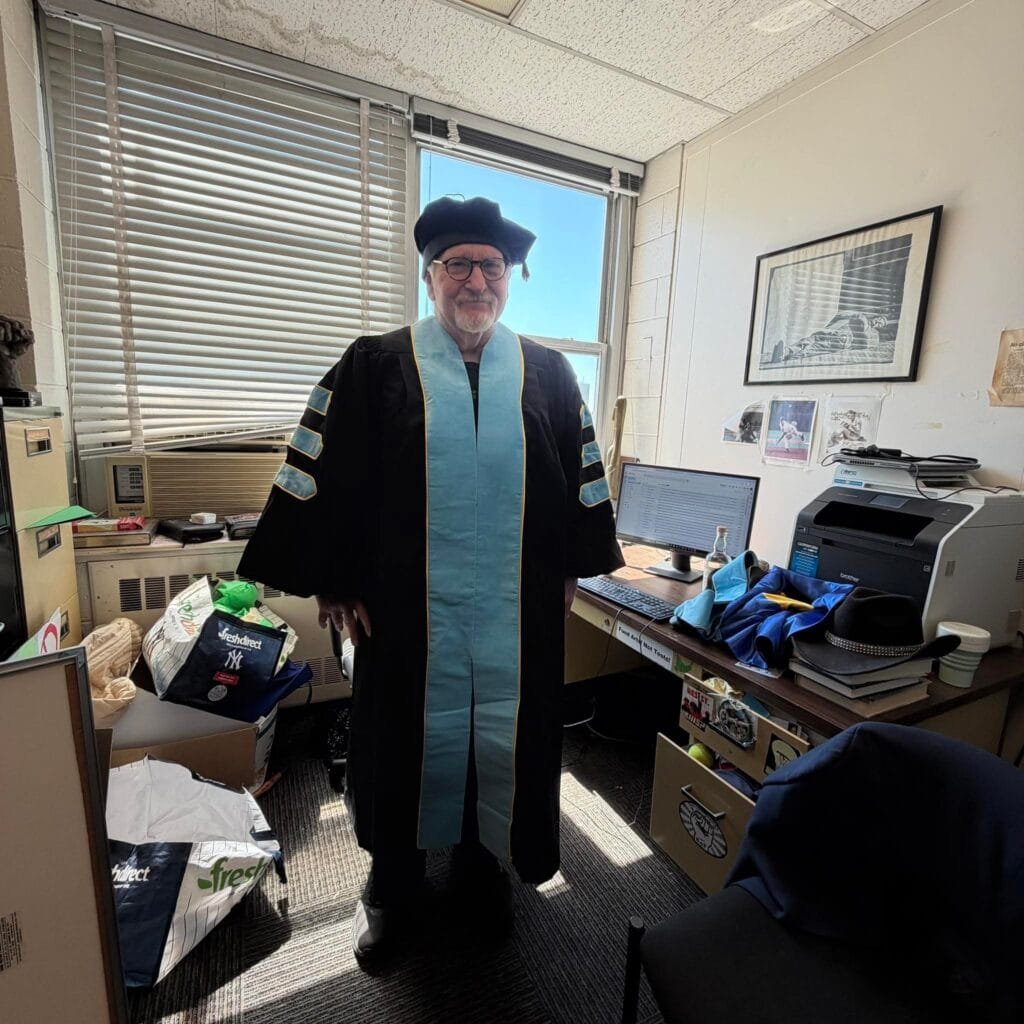
A longtime Fordham University professor has publicly reflected on what he described as a painful absence of institutional recognition after more than five decades of teaching at the university.
In
a Facebook post dated May 21, 2026, the professor contrasted the warmth of his family’s celebration of his 80th birthday with what he described as silence from Fordham University as an institution.
“The contrast between what my family has done to celebrate my 80th birthday — buying me a new car and treating me to three days on the Pebble Beach Golf Course — and what Fordham as an institution has done, which is nothing, has been a big wake-up call for me,” he wrote.
According to the post, the professor said he had completed 55 years of teaching at Fordham University and expected some form of official recognition from the school.
“After completing 55 years of teaching at the university, I would have expected some recognition of the occasion from an official body at the school. But none has been forthcoming,” he stated.
The reflection goes beyond a personal disappointment. It raises broader questions about how modern universities value loyalty, institutional memory, teaching service, mentorship, and long-term academic labor, especially at a time when many higher education institutions are increasingly shaped by corporate systems, budget pressures, technology, branding, and administrative distance.
“In the age of AI and the corporate university, loyalty and devotion to a job are not something anyone in an official position is willing to celebrate,” he wrote.
The professor also expressed disappointment that students, former students, and colleagues had not made small donations to a research project he directs, which he said was intended to support his successor.
“I can’t even get my students, former students and colleagues to make small donations to the research project I direct to make sure my successor gets off to a good start,” he wrote.
Despite the disappointment, he made clear that he is not ready to retire. He said his continued commitment to teaching, research, and public commentary remains stronger than the hurt caused by the lack of recognition.
“If I loved my job less, this would force me into retirement,” he wrote. “But I am not going anywhere so long as the job gives me a platform to teach, do research and comment on the issues of the day.”
In one of the most striking lines of the post, he declared: “Fordham is not my family.”
He described the university as “an educational corporation becoming more impersonal every day,” but added that he still has “a legacy to create and students to motivate and inspire.”
The post offers a moment of reflection not only for Fordham, but for higher education institutions across New York and beyond. Universities often rely on the dedication of professors who spend decades shaping students, building programs, producing research, advising young scholars, and representing institutional values in public life. Yet the emotional economy of academic work can be fragile when long service is met with silence.
The issue is not merely whether one professor received a birthday celebration. It is about how institutions remember, honor, and care for the people who give their lives to teaching and mentorship.
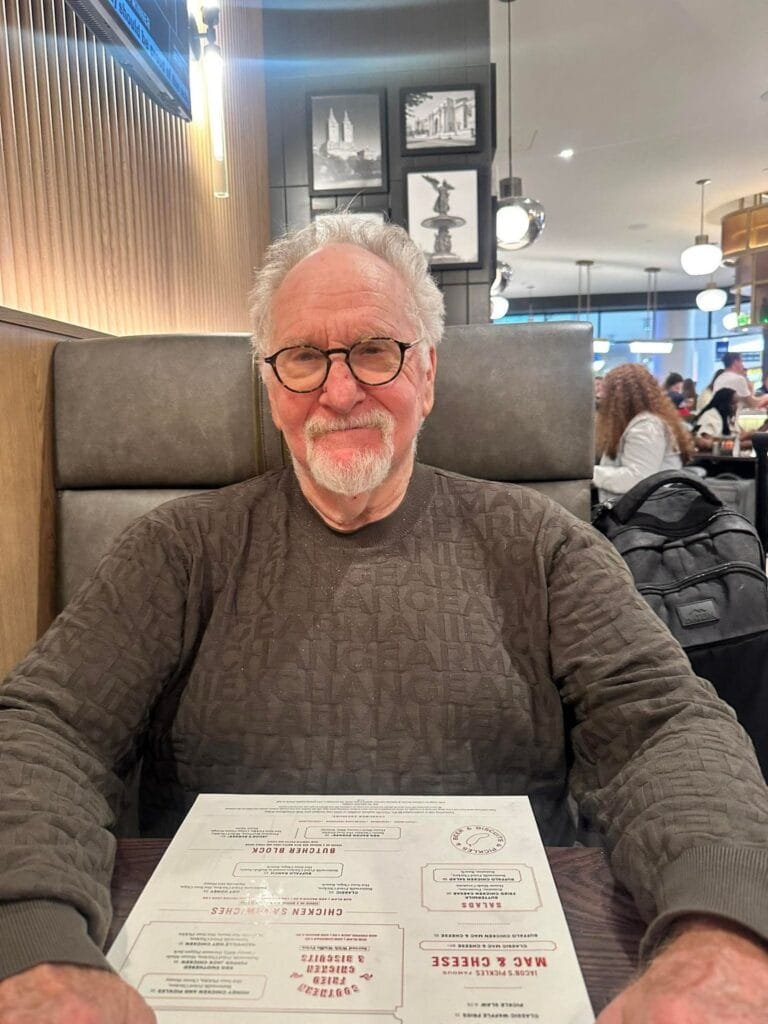
The professor’s decision to continue working despite his disappointment suggests both resilience and unfinished purpose. His words also invite a necessary conversation within academic communities: recognition should not be reserved only for donors, administrators, major campaigns, or public ceremonies. Sometimes, the people most deserving of acknowledgment are those who have quietly spent decades in classrooms, offices, archives, community meetings, and student conversations.
For Fordham and other universities, the lesson is clear. Institutional loyalty cannot be demanded if human recognition is neglected. A university may function as a corporation, but it loses part of its educational soul when it forgets the people who built its intellectual and moral legacy.
About The Author