America Must Build Systems That Care Before People Break
Lawrence Seiler argues that America must strengthen disability care, juvenile rehabilitation, caregiver support, and justice systems so vulnerable people receive help before crisis, punishment, or institutional failure.
By Lawrence Seiler
Bronx Post Reporter | Abled and On Air
Edited by Mutiu Olawuyi
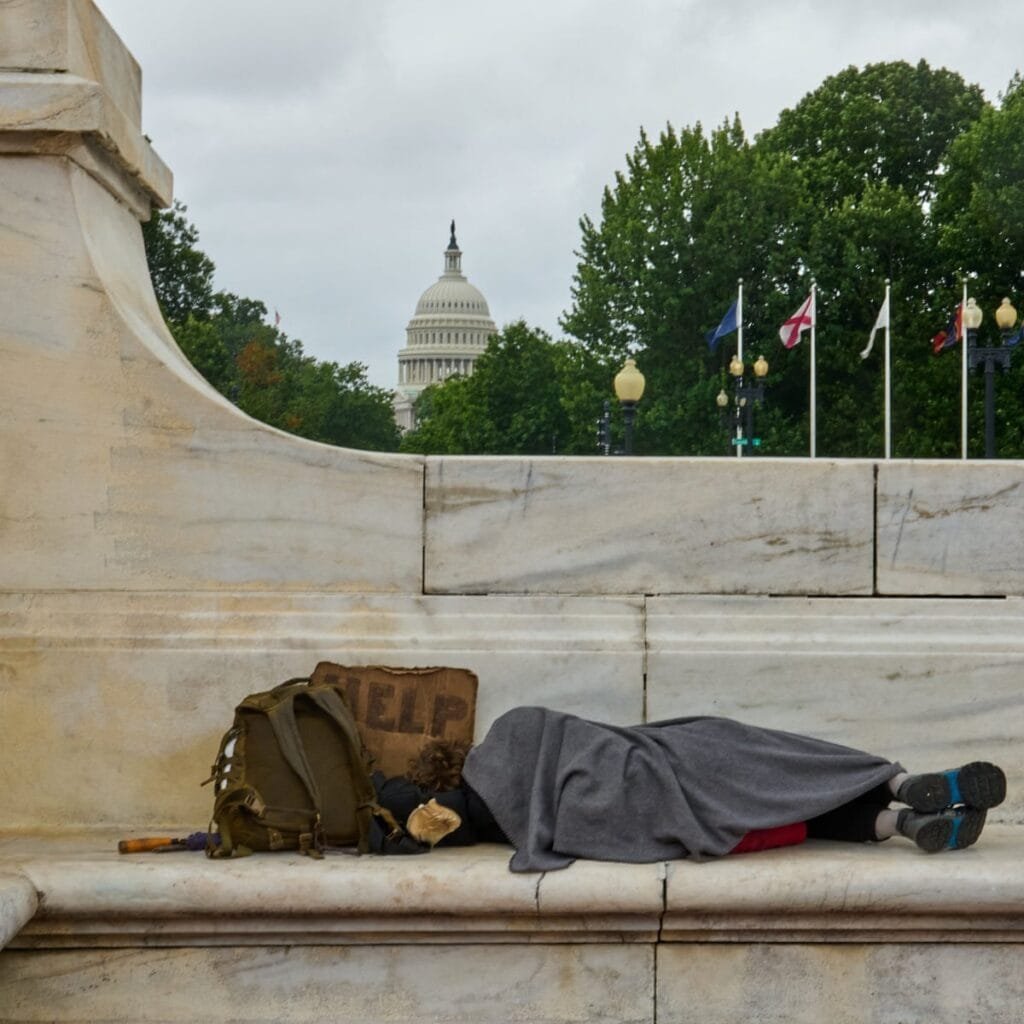
On a recent episode of Abled and On Air, Mr. David Wecker spoke about Israel and its social programs. His comments made me reflect on a larger question that matters deeply to families, caregivers, people with disabilities, crime victims, young people in trouble, and communities like ours in the Bronx: What does a society owe its most vulnerable people?
Israel is a country shaped by survival. Jewish history carries the wounds of persecution, displacement, war, terrorism, and the Holocaust. Because of that history, Israel has built national systems designed to help people in moments of need.
Those systems include national insurance, housing assistance, food support, employment programs, disability benefits, and special assistance for Holocaust survivors. I completely understand why Holocaust survivors receive financial and housing support. The atrocities Jewish people suffered under Adolf Hitler and Nazi Germany remain among the darkest crimes against humanity. A society that remembers that history must also care for those who survived it.
Mr. Wecker also spoke about programs for children and young people who commit crimes. That part of the conversation is important because it raises a question America still struggles to answer: What should a justice system do with a child who has broken the law?
Should the system only punish? Or should it also ask what happened to that child, what support was missing, and what can be done to prevent that young person from becoming trapped in a lifetime of crime, poverty, trauma, and exclusion?
From what Mr. Wecker explained, Israel places serious emphasis on rehabilitation. Young people who enter the system are not simply thrown away. There is attention to treatment, supervision, education, structure, and purpose. That does not mean crime is excused. It means the country tries to give young people a path back before society gives up on them.
America must ask itself whether it is doing enough.
Here in New York, we have a long and painful history of institutions that failed vulnerable people. Spofford Juvenile Detention Center was built in Hunts Point in 1957 and permanently closed in 2011. Its former site is now being redeveloped as part of a community-serving project. That redevelopment is welcome, but it does not erase the larger question: where do young people in crisis go, and are they receiving real rehabilitation?
A building can close. A harmful mindset can survive.
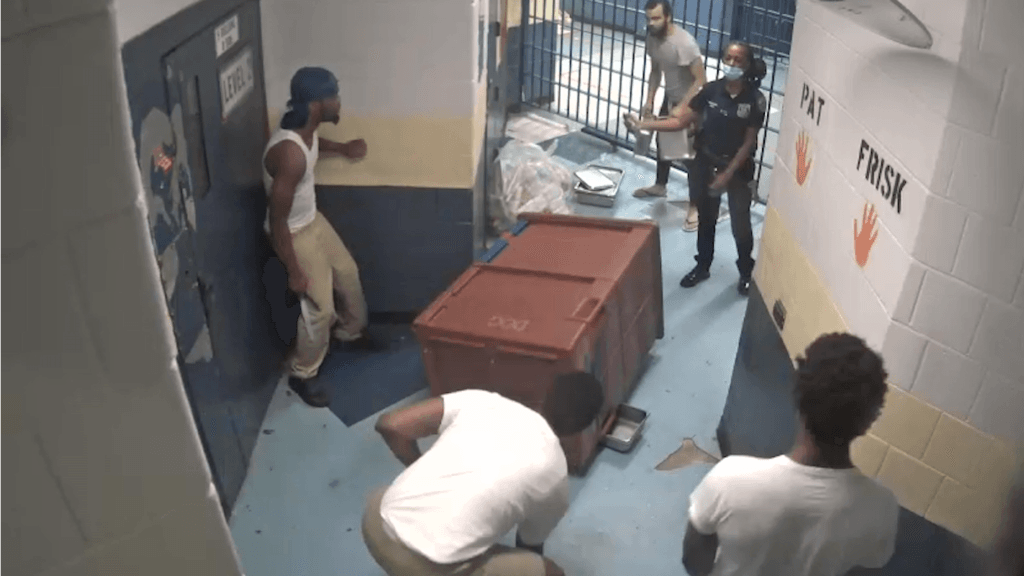
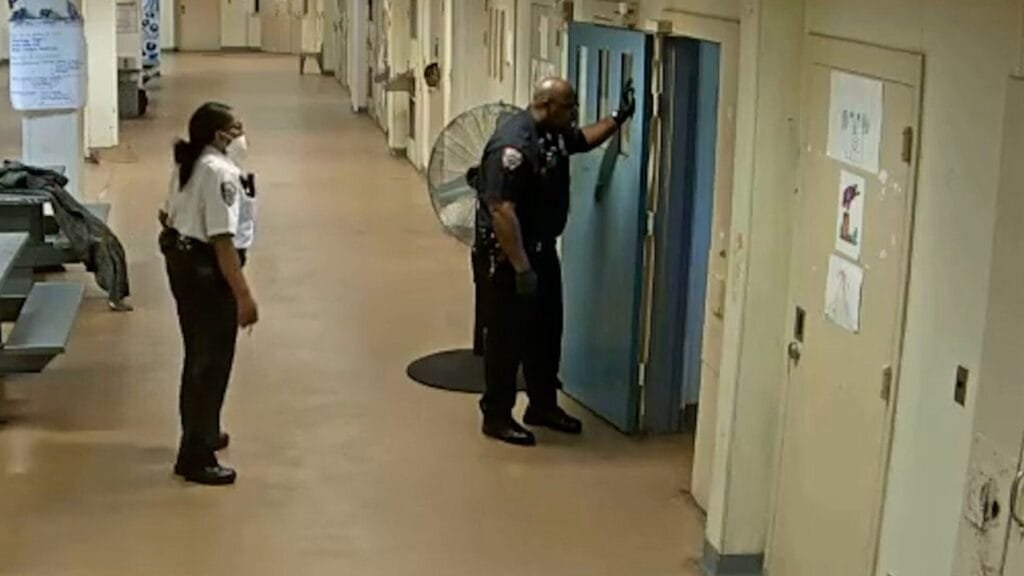
We are asking similar questions today about Rikers Island. New York City has had a legal mandate to close Rikers, but the city is not on track to meet the original 2027 deadline. Replacement borough-based jail facilities are now expected to come online later, with some completion dates projected between 2029 and 2032.
The public deserves honest answers. What happens to young people, people with disabilities, people with mental illness, and medically fragile detainees during this transition? Where will treatment happen? Who will monitor the conditions? How will the city make sure smaller jails do not simply become smaller versions of the same failures?
A justice system should protect the public. But public safety is not achieved by punishment alone. If a teenager enters a facility angry, traumatized, uneducated, addicted, or mentally ill, and comes out worse, then the system has failed both the child and the community.
Real safety requires accountability with rehabilitation. It requires consequences, but also counseling. It requires structure, but also education. It requires supervision, but also hope.
The same lesson applies to disability care.
We cannot forget Willowbrook State School in Staten Island. Willowbrook opened in 1948 as an institution for people with developmental disabilities. After years of public outrage over its conditions, Gov. Mario M. Cuomo declared it officially closed on September 17, 1987. Parents, advocates, watchdog groups, and journalists helped expose the suffering inside.
Journalist Geraldo Rivera’s reporting helped bring national attention to Willowbrook. Families and disability-rights advocates forced the country to confront a painful truth: children and adults with disabilities had been hidden away in conditions no human being should have endured.
Willowbrook should remain a permanent warning against placing vulnerable people in systems without dignity, oversight, transparency, and care.
Children with disabilities are not criminals. People with intellectual and developmental disabilities are not burdens. Young people who make mistakes are not disposable. Caregivers are not invisible. Families should not have to fight alone against systems that are supposed to protect them.
When we compare Israel, America, and other countries, the point is not to pretend that any nation has solved every social problem. No country has. Israel’s system is not perfect. America’s system is not hopeless. But countries can learn from one another.
Israel’s National Insurance Institute provides a more centralized national structure for major benefits, including disability benefits and vocational rehabilitation. That matters because families can look to one national framework.
In the United States, some disability benefits are federal, including Social Security Disability Insurance and Supplemental Security Income. But many practical supports — Medicaid services, home care, housing assistance, transportation help, caregiver programs, juvenile services, and local disability resources — vary by state and locality.
That means a family in New York may face a different process from a family in Florida, Texas, California, or another state. For people already dealing with disability, poverty, illness, trauma, or legal trouble, this can become overwhelming. Families often have to become investigators overnight just to understand what help exists.
That is not good enough.
America does not lack money, talent, professionals, or institutions. What we often lack is coordination, compassion, and the courage to admit when a system is not working.
Willowbrook should have taught us that vulnerable people must never be hidden away. Spofford should have taught us that children need more than confinement. Rikers should teach us that large jail systems can become symbols of failure when they are not rooted in safety, treatment, accountability, and human dignity.
The madness must stop.
We must stop building systems that wait for people to break before offering help. We must stop treating children, people with disabilities, caregivers, and struggling families as problems to be managed instead of human beings to be supported. We must stop confusing punishment with justice.
Justice should correct. Care should protect. Policy should heal. Public safety should include prevention, treatment, education, family support, mental health care, disability services, and real rehabilitation.
This is not about being soft on crime. It is about being serious about solutions.
A society should be judged not only by how it punishes wrongdoing, but by how it prevents harm, protects victims, supports families, rehabilitates young people, and treats those who cannot fight for themselves.
For more information on the history of Willowbrook, visit the College of Staten Island and CUNY resources at www.csi.cuny.edu.
For more conversations on disability, justice, caregiving, and advocacy, watch Abled and On Air on Parrot TV.

About The Author