Alleged Islamophobic comment by Nigerian Tribune reporter sparks backlash, ethical concern
An alleged Islamophobic comment attributed to a Nigerian Tribune reporter has sparked backlash, raising wider concerns about anti-Muslim bias, media ethics, and newsroom accountability in Nigeria.

By Robert Press
A controversy involving a reporter identified with the Nigerian Tribune has renewed concern about Islamophobia, professional ethics, and the responsibilities journalists carry in religiously diverse societies.
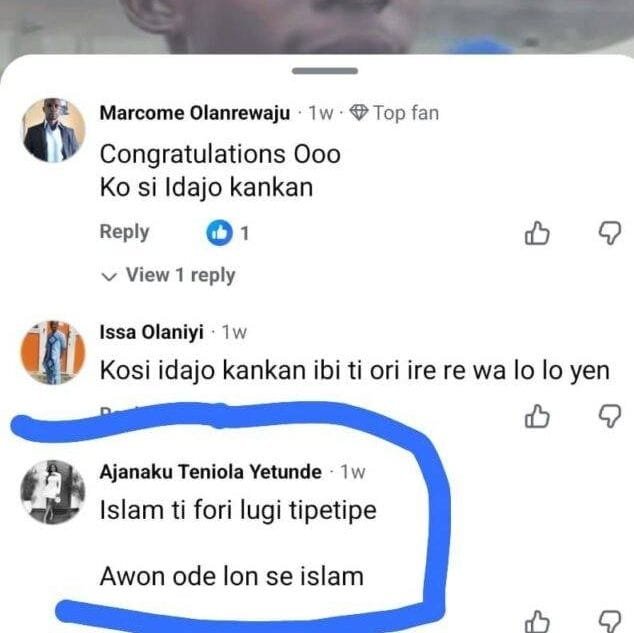
Yetunde Ajanaku, a senior reporter with the Nigerian Tribune, is facing criticism after a social media comment attributed to her circulated online. One of the alleged remarks, written in Yoruba, has been translated as “Only fools practice Islam.” The comment was reportedly posted under content said to show an interfaith marriage involving a Muslim woman and a non-Muslim man.
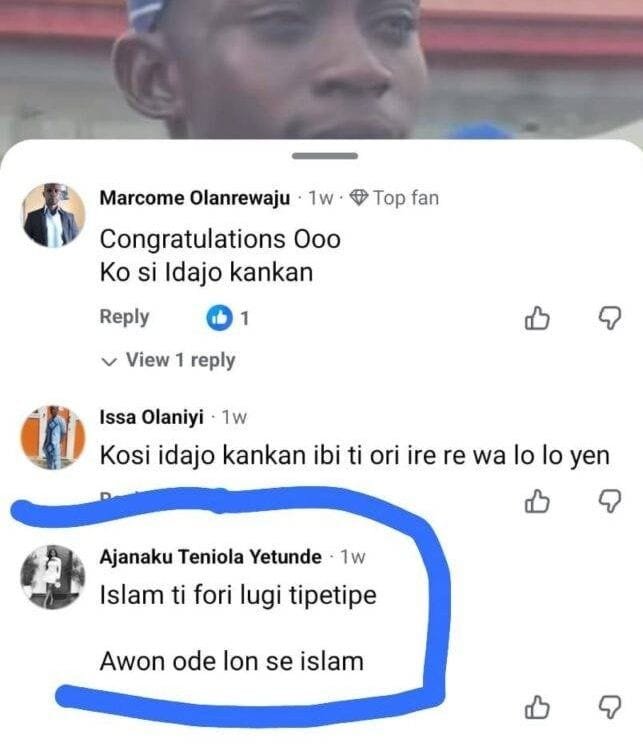
If accurately attributed, the remark goes beyond poor judgment. It raises serious concern about anti-Muslim prejudice expressed by someone working in a profession that depends on fairness, restraint, and respect for human dignity.
In Nigeria, where religion remains central to public life and where past sectarian tensions have left deep scars, language targeting Islam or Muslims cannot be treated as casual online misconduct. It enters a more dangerous space — one where bias can reinforce division, inflame mistrust, and weaken confidence in institutions that should serve all citizens fairly.
That is why the criticism has not been limited to the offensive nature of the alleged statement itself. It has also centered on what such language may suggest about professional credibility. A journalist is expected to approach people, communities, and issues with discipline and ethical balance. When a comment appears openly contemptuous toward a religious group, it inevitably raises public questions about impartiality, newsroom standards, and whether prejudice has been allowed to coexist with professional influence.
The matter is especially sensitive because Ajanaku is not presented only as a reporter. She is also associated with Ibadan Ladies Hub, a platform described as focused on women’s empowerment. For critics, that wider public role makes the alleged Islamophobic remark even more troubling, because public leadership loses moral force when it appears selective in whose dignity it respects.
One reaction cited in the controversy called on the Nigerian Tribune to distance itself from such conduct and respond clearly. That call reflects a larger expectation now placed on media institutions: that they do not ignore expressions of hate, especially when they come from people operating under the authority and visibility of journalism.
This is also why the issue should not be reduced to online scandal alone. It is part of a wider professional challenge. Across media and other public-facing sectors, social media has become an extension of public character. What is said there can shape trust just as powerfully as what is published in print or broadcast through formal channels.
At the same time, responsible journalism requires fairness even in criticism. Any institutional response should be grounded in verification, clarity, and due process. But if the allegation is true, then the issue is not merely reputational. It is ethical. And it speaks directly to the urgent need for stronger standards around hate-sensitive language, religious respect, and newsroom accountability.
Islamophobia, whether casual or explicit, has no place in journalism. A profession charged with informing the public cannot credibly serve democracy while demeaning people on the basis of faith. In plural societies, journalism must not become a vehicle for inherited prejudice or digital hostility.
The deeper lesson here is not only about one reporter or one newsroom. It is about what kind of media culture a society wants to build. One that amplifies contempt, or one that takes its public duty seriously enough to reject it.
At a time when religious tensions can still be weaponized across communities, the press must be careful not only with facts, but with humanity.
About The Author