America@250: Problems America Must Stop Calling Permanent
Lawrence Seiler argues that America at 250 must confront food insecurity, obesity, unsafe housing, low wages and public health failures through dignity-centered reform.
By Lawrence Seiler
Journalist and Bronx Post Reporter
America is approaching its 250th anniversary, and that milestone deserves recognition. This country has given the world remarkable examples of innovation, courage, constitutional government, cultural creativity and human possibility.
However, love of country should never mean silence about the pain that still lives inside it. A mature nation does not prove its greatness by avoiding hard truths. It proves its greatness by facing them and repairing what it can.
Last week, I appeared on Parrot TV’s Beyond the News Bites to discuss the United States at 250. The conversation forced me to return to a question I have carried for years: why do some American problems seem to survive every election, every administration and every national celebration?
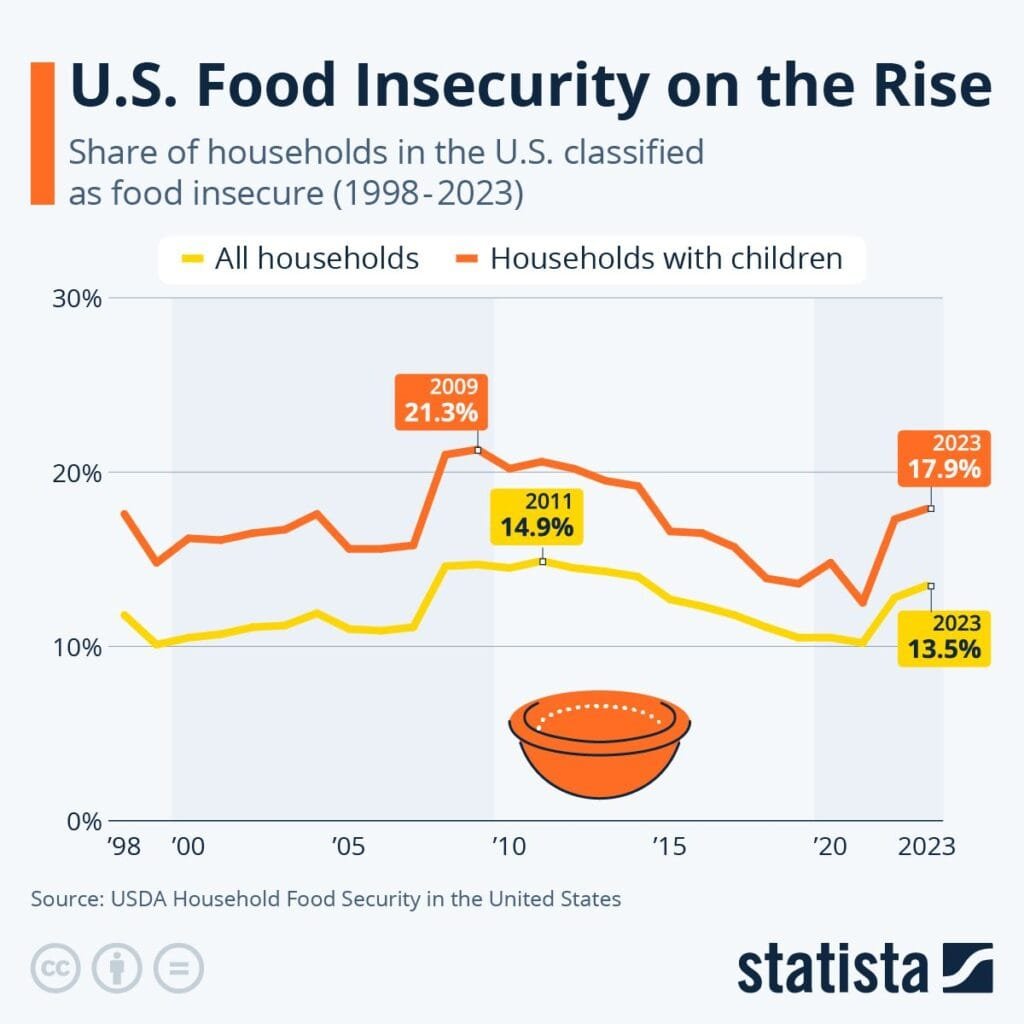
Food insecurity remains. Obesity remains. Housing insecurity remains. Low wages remain. Public assistance remains necessary, yet too limited to move many families from survival into stability. These are not isolated failures. They are connected conditions, and they continue because America too often treats symptoms more seriously than causes.
The history matters. The same country that speaks beautifully about freedom was also built through slavery, exclusion and unequal access to power. Francis Scott Key’s era was not separate from that contradiction. Several early presidents, including George Washington, enslaved human beings. That fact does not cancel America’s promise, but it challenges us to tell the truth about how unevenly that promise has been distributed.
Today, the chains are different, but many people are still trapped. They are trapped by poverty wages, unhealthy food systems, unaffordable housing, weak tenant protections, poor neighborhood investment and public programs that help people endure hardship without always giving them a route out of it.
Food is one of the clearest examples. In many communities, fresh and healthy food is either too expensive, too far away or too difficult to access consistently. Families are then left with canned goods, instant noodles, sugary drinks and processed meals that are cheap, filling and dangerous over time. A package of instant noodles can contain an extremely high amount of sodium, yet for someone stretching a few dollars, it may be the only realistic dinner.
Then society turns around and blames people for poor health.
That is not accountability. That is cruelty dressed as advice.
Obesity should not be reduced to personal failure. It is a public health crisis shaped by poverty, stress, food deserts, advertising, lack of safe recreation space, long work hours and limited access to preventive care. Yes, individuals have responsibility. But responsibility cannot be separated from environment. A person cannot choose fresh food that is not available, affordable or practical.
SNAP helps, and it should be protected. But SNAP is supplemental by design. It was never meant to carry the full burden of hunger, low wages and food inflation. For many families, benefits reduce suffering but do not create security. They help people get through the month, but not necessarily out of the conditions that made the help necessary.
Housing tells the same story. In New York City, too many public housing residents still live with mold, vermin, broken systems, delayed repairs and inadequate security. These conditions are not just housing issues. They are health issues. They are education issues. They are dignity issues. A child cannot fully learn in a home that makes them sick. An elder cannot age with peace in a building that feels neglected. A family cannot thrive when basic repairs become a battle.
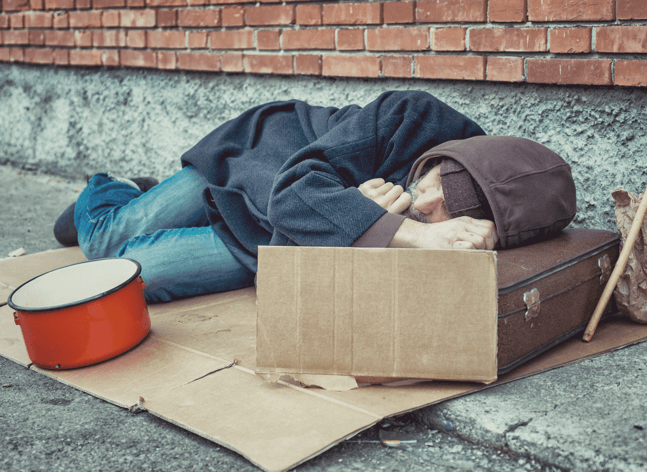
Wages complete the cycle. When people work and still cannot afford rent, food, transportation, medicine and utilities, the economy is not simply demanding discipline from them. It is extracting life from them. Some call this “slave wages” because the worker remains busy but not free, employed but not secure, exhausted but still unable to build a future.
A healthier America requires a wider definition of health. Health is not only what happens in hospitals. Health begins in the grocery store, the apartment, the paycheck, the school, the sidewalk and the workplace. If the food is toxic, the housing is unsafe, the wages are too low and the neighborhood is neglected, the emergency room becomes the final stop for failures that began long before illness appeared.
The restorative answer is not despair. It is responsibility. Government must strengthen food access, housing quality, tenant protection, wage policy and preventive health care. Employers must pay wages that respect human life. Schools and community organizations must teach nutrition, financial literacy and wellness without shaming struggling families. Media must stop reporting poverty as if it is a personal defect and start examining the systems that reproduce it.
America’s 250th anniversary should not only be a birthday party. It should be a national checkup.
What kind of country celebrates freedom while millions are trapped by hunger, debt, illness and unsafe housing? What kind of democracy speaks of opportunity while working people cannot afford a stable life? What kind of public health system waits for people to collapse before treating the conditions that made them sick?
These questions are not anti-American. They are deeply American, because the best version of America has always depended on people who loved the country enough to demand better from it.
The problems I have named may feel permanent, but they are not natural laws. They were created by policy, neglect, profit and indifference. That means they can be changed by policy, care, investment and courage.
America is remarkable. But it will become healthier, fairer and stronger only when it stops managing suffering and starts repairing the conditions that produce it.
For more updates, watch Abled and On-Air on NY Parrot TV.
Edited by
Mutiu Olawuyi, CEO and Chief Editor
About The Author