Muslim, interfaith coalition to launch anti-BDS investment campaign in New York
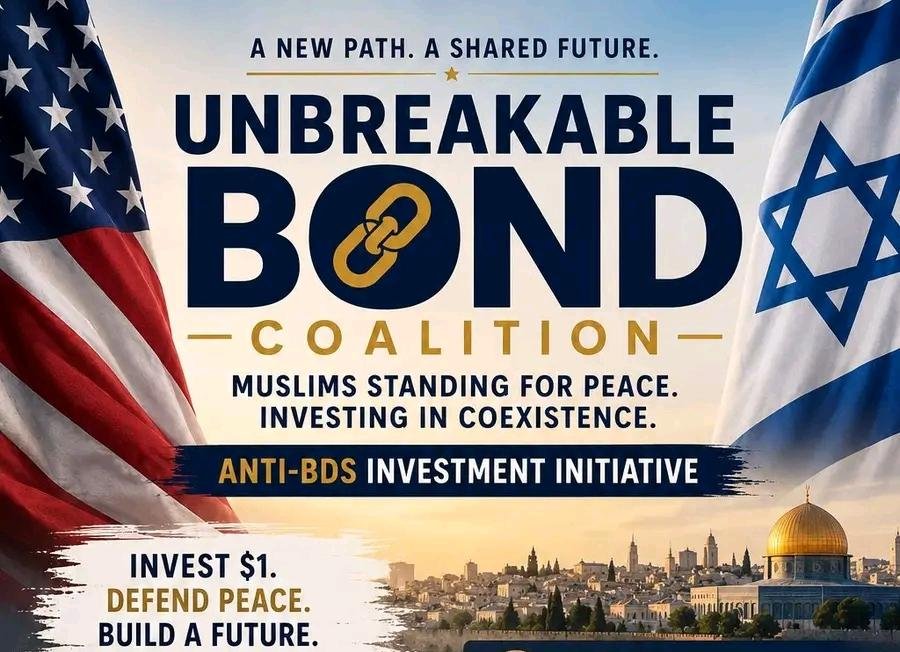
The Unbreakable Bond Coalition launches a global Anti-BDS Investment Campaign in New York, calling for Muslim-Jewish partnership, coexistence and peace through investment.
By Mutiu Olawuyi
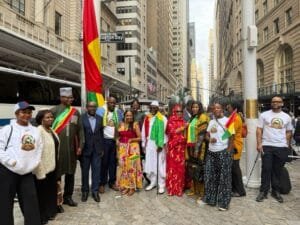
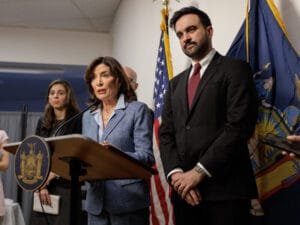
A coalition of Muslim and interfaith leaders has announced the launch of a global Anti-BDS Investment Campaign, calling on supporters of peace, coexistence and Israel’s right to exist to contribute at least $1 toward an investment initiative designed to promote partnership instead of boycott.
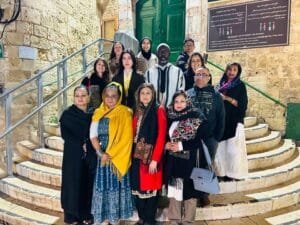
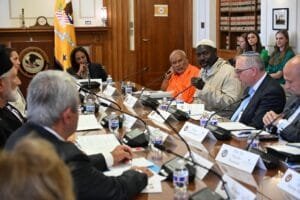
The initiative, led by the Unbreakable Bond Coalition, will officially launch in New York City on Thursday, July 9, 2026. The coalition includes the American Muslim & Multifaith Women’s Empowerment Council, Muslim Women Speakers Bureau, Global Youth Unity Project, Abraham PRC, Muslims-Israel Dialogue and partner organizations.
According to the coalition, the campaign seeks to raise at least $500,000 from 500,000 supporters by October 9, 2026. The startup capital is expected to be invested in Israel treasury bonds as a public statement against economic isolation and in support of Muslim-Jewish dialogue, interfaith cooperation and peacebuilding.
“At a time when division, hatred, and antisemitism are rising around the world, a historic coalition of Muslim and interfaith leaders is choosing a different path,” the coalition said. “Not boycotts. Not division. Not hate. But investment, dialogue, coexistence, and a shared future.”
The coalition said the fund will be overseen by a fiduciary board of trustees and managed through a contracted financial institution. Investment yields are intended to support organizations involved in dialogue, education and anti-hate work, including Sharaka, the Jerusalem Interfaith Center, the Combat Antisemitism Movement and Debate for Peace.
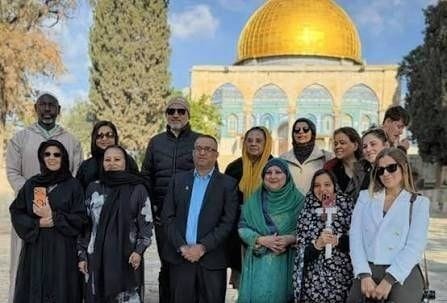
The initiative directly challenges the Boycott, Divestment, and Sanctions movement, which has advocated economic and cultural pressure on Israel for more than two decades. The Unbreakable Bond Coalition argues that broad boycotts can deepen separation and may unintentionally affect Palestinian workers and families connected to Israeli industries, agriculture, technology and business sectors.
“Economic bridges create opportunity. Dialogue creates understanding. Partnership creates peace,” the coalition said.
Organizers described the campaign as both a financial and moral statement. They said it is designed to show that ordinary citizens, including Muslims and interfaith allies, can respond to hatred and polarization through investment, relationship-building and public courage.
The coalition also presented the initiative as part of a broader effort to normalize Muslim-Jewish cooperation at a time when the Israel-Palestine conflict continues to generate pain, anger and division across global communities.
“We believe the future will not be built by those who tear bridges down,” the coalition said. “It will be built by those courageous enough to build them.”
The organizations behind the campaign say their work is rooted in civil rights, interfaith dialogue, youth leadership, counter-extremism and the spirit of the Abraham Accords. AMMWEC describes itself as a Muslim women-led organization promoting Muslim-Jewish partnership and combating antisemitism, extremism and all forms of hate. GYUP focuses on empowering young people across cultures and religions to reject hate and become ambassadors for peace.
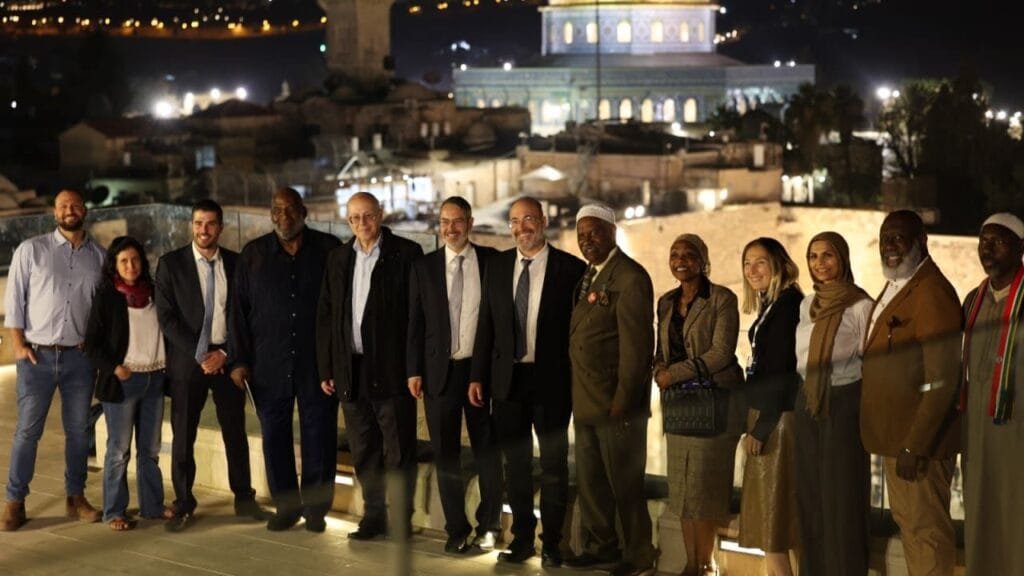
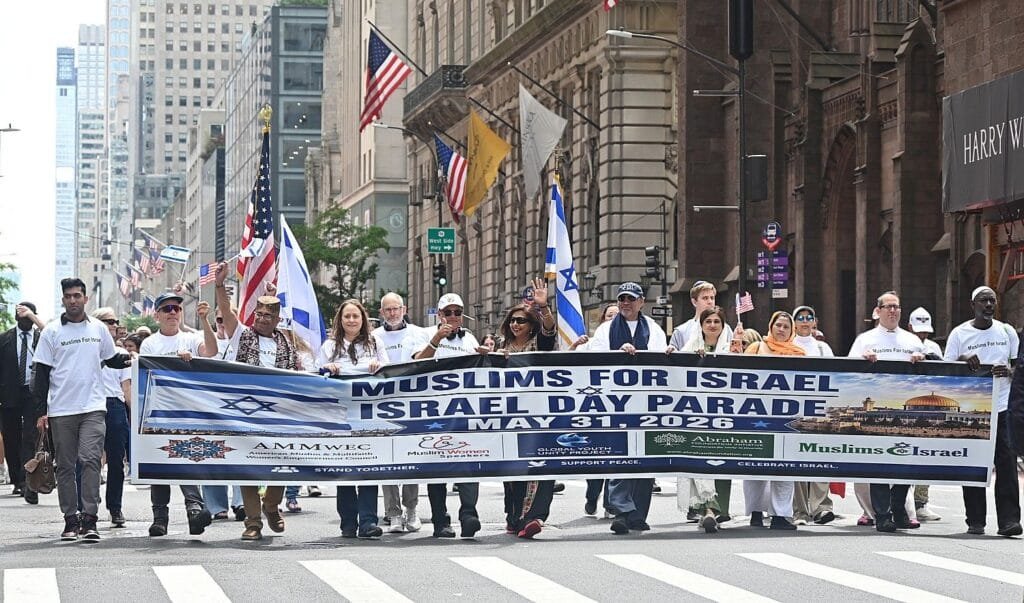
For supporters, the campaign offers a symbolic entry point: a minimum $1 contribution framed as an act of coexistence and bridge-building.
“This campaign is more than an investment strategy,” the coalition said. “It is a statement: Muslims and Jews are not destined to be enemies. Peace is possible. Cooperation is possible. A different future is possible.”
The launch comes at a tense moment for Muslim-Jewish relations globally, when public debate around Israel, Palestine, antisemitism, Islamophobia and interfaith solidarity has become increasingly polarized. The coalition’s approach seeks to move the conversation away from permanent separation and toward structured cooperation, even while difficult political disagreements remain.
The campaign’s ultimate test will be whether it can turn symbolic investment into sustained relationships, transparent governance, measurable support for peace organizations and practical trust-building between communities that have too often been pushed apart by fear and extremism.
About The Author