NYC tightens cooling tower rules to prevent legionnaires’ disease as Summer nears
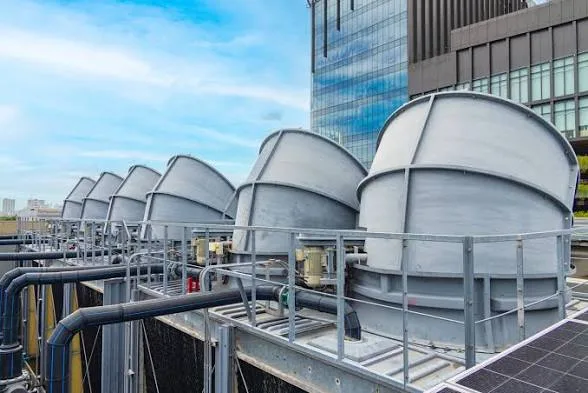
The New York City Department of Health and Mental Hygiene has implemented new citywide regulations requiring building owners to test cooling towers for Legionella bacteria every 31 days while the towers are operating, a major increase from the previous 90-day testing requirement.
The new rules, which took effect on May 8, 2026, are part of the city’s effort to strengthen public health protections ahead of the summer season, when cooling towers are more frequently in use and the risk of Legionella growth can increase.
According to the Health Department, the new testing schedule is now among the most rigorous in the country. City officials said the goal is to identify contamination earlier, improve maintenance standards, and reduce the risk of future Legionnaires’ disease outbreaks.
“The Mamdani Administration is enacting commonsense policies that prioritize New Yorkers’ health and safety,” said Deputy Mayor for Health and Human Services Dr. Helen Arteaga. “As the temperatures rise, it is increasingly important that we monitor for and protect every New Yorker against Legionella, and that’s exactly what these regulations aim to do.”
NYC Health Commissioner Dr. Alister Martin described the new rules as a practical example of preventive public health.
“Protecting the health and safety of New Yorkers is my top priority,” Dr. Martin said. “Today’s new regulations requiring more frequent testing of cooling towers is public health at work.”
Cooling towers are used in many large buildings for air-conditioning and ventilation systems. They can pose a public health risk when warm, stagnant water allows Legionella bacteria to grow. If contaminated water vapor is released into the air, people may breathe it in and become sick.
Legionnaires’ disease is a type of pneumonia. Symptoms may include fever, chills, muscle aches, and cough. The disease does not spread from person to person and can be treated with antibiotics when detected early. People at higher risk include adults aged 50 and above, cigarette smokers, people with chronic lung disease, and those with weakened immune systems.
The new regulations follow the Central Harlem Legionnaires’ disease cluster that ended on August 29, 2025. According to the Health Department, that outbreak resulted in 118 cases, 92 hospitalizations, and seven deaths.
City officials said the painful lessons from that outbreak shaped the push for stronger oversight and faster detection.
State Senator Cordell Cleare said the new measures respond to the harm caused by the previous outbreak.
“After the disturbing deaths and harm caused to individuals and families last year in the deadly Legionnaires’ outbreak, I introduced legislation to counter the danger of unchecked and contaminated cooling towers,” Cleare said. “I am encouraged that the New York City Health Department will announce the amended cooling tower regulations and enforce more frequent Legionella testing ahead of the cooling tower season.”
Council Member Lynn Schulman, Chair of the Committee on Health, said the regulations will help protect tenants, workers, and surrounding communities.
“New Yorkers deserve strong public health protections that prevent disease outbreaks and save lives,” Schulman said. “More frequent testing will help buildings identify potential problems earlier and strengthen safeguards for tenants, workers, and surrounding communities.”
The Health Department said it has notified cooling tower operators across the city and is conducting outreach to help building owners comply with the updated requirements. There are approximately 4,000 buildings with registered cooling towers across the five boroughs.
To support the expanded oversight, the Health Department received an additional $13 million in the Fiscal Year 2027 budget. The funding will help hire 23 new water ecologists, increasing the city’s cooling tower inspection staff to 54 inspectors. The city said this expansion will support its goal of inspecting all New York City cooling towers annually.
The funding will also support a community engagement team based in the Health Department’s Neighborhood Health Action Centers. These community health workers will be deployed during cluster investigations to provide information and education to residents. The department also plans to strengthen partnerships with local organizations to improve communication during public health responses.
Other city agencies, including the Department of Citywide Administrative Services and the Department of Buildings, are also working with the Health Department to improve cooling tower monitoring, maintenance, and registration, including at city-owned buildings and buildings under construction.
DCAS Commissioner Yume Kitasei said city agencies are working collaboratively as warmer weather approaches.
“As the summer approaches, we are working collaboratively to ensure that the City is utilizing every tool in the toolbox to monitor for this bacteria and help keep our residents safe,” Kitasei said.
DOB Commissioner Ahmed Tigani said the new rules can help building owners detect problems before communities are exposed.
“These new regulations will help owners discover a potential problem before members of their community are exposed to harmful bacteria,” Tigani said.
Beyond enforcement, the new regulations reflect a broader public health responsibility: preventing avoidable illness before communities suffer harm. For residents, especially older New Yorkers and people with underlying health conditions, the effectiveness of these rules will depend on consistent testing, responsible building management, transparent communication, and rapid response when risks are detected.
As New York enters the warmer months, city officials are urging building owners to treat cooling tower maintenance not as a bureaucratic requirement, but as a life-saving public health duty.
About The Author