UN Conference in New York pushes disability rights from access to leadership
UN disability conference in New York focuses on advancing rights, accessibility, protection and leadership for persons with disabilities worldwide.
By Lawrence Seiler
Edited by: Mutiu Olawuyi
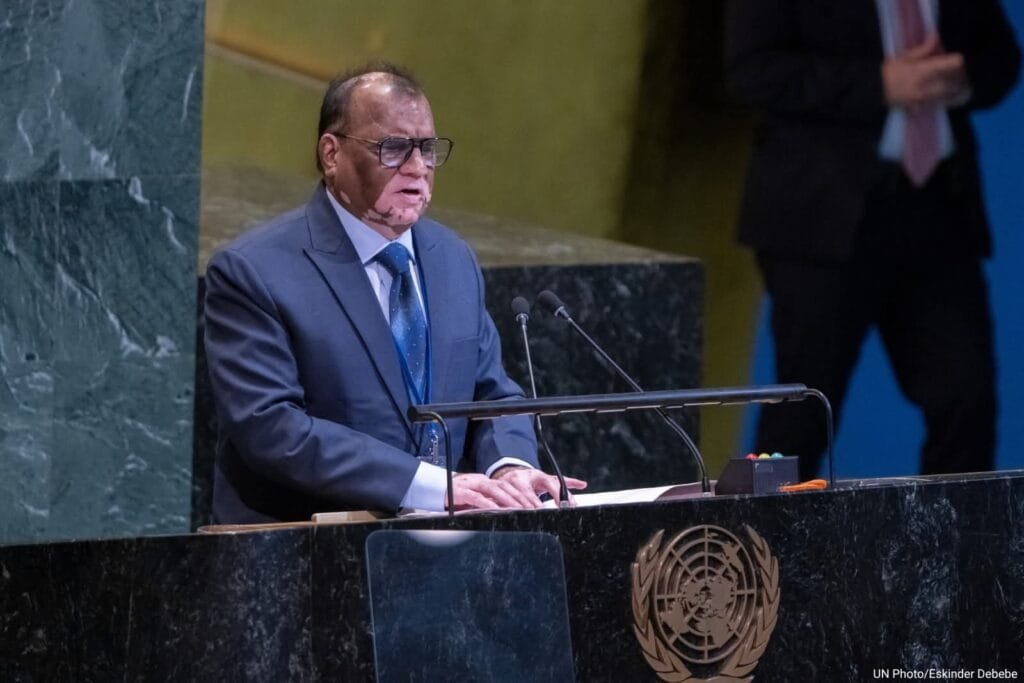
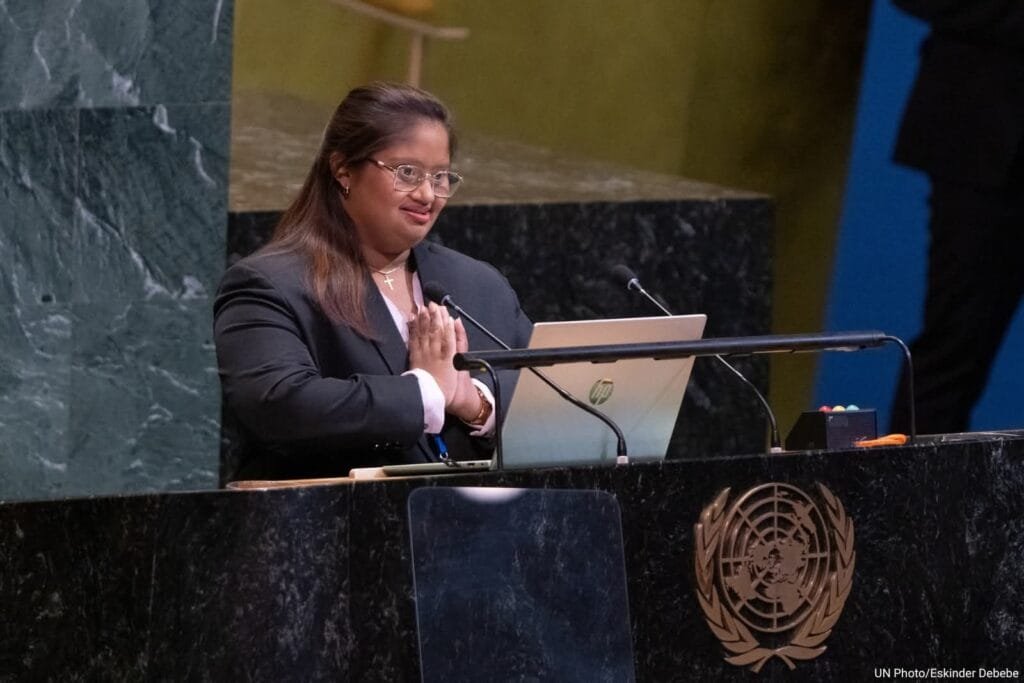
The United Nations is hosting a major disability rights conference this week at its headquarters in New York City, bringing governments, advocates and civil society groups together to address the barriers that continue to limit the rights, safety, participation and leadership of persons with disabilities.
The 19th session of the Conference of States Parties to the Convention on the Rights of Persons with Disabilities, known as COSP19, is taking place from June 9 to 11, 2026, at UN Headquarters. The conference marks the 20th anniversary of the Convention on the Rights of Persons with Disabilities, a landmark treaty that shifted the global understanding of disability from charity and medical dependency toward dignity, equality, autonomy and full participation.
This year’s theme is “CRPD at 20: celebrating and consolidating achievements and shaping the next phase of implementation in a changing world.” The conference focuses on protecting persons with disabilities from exploitation, violence and abuse; strengthening care and support systems; and expanding accessible civic engagement, leadership and advocacy in public life.
The gathering comes as persons with disabilities continue to face discrimination and barriers in employment, education, housing, transportation, health care, technology, public safety and political participation. Advocates say the next phase of disability rights must move beyond symbolic inclusion toward measurable access, legal enforcement, representation and leadership.
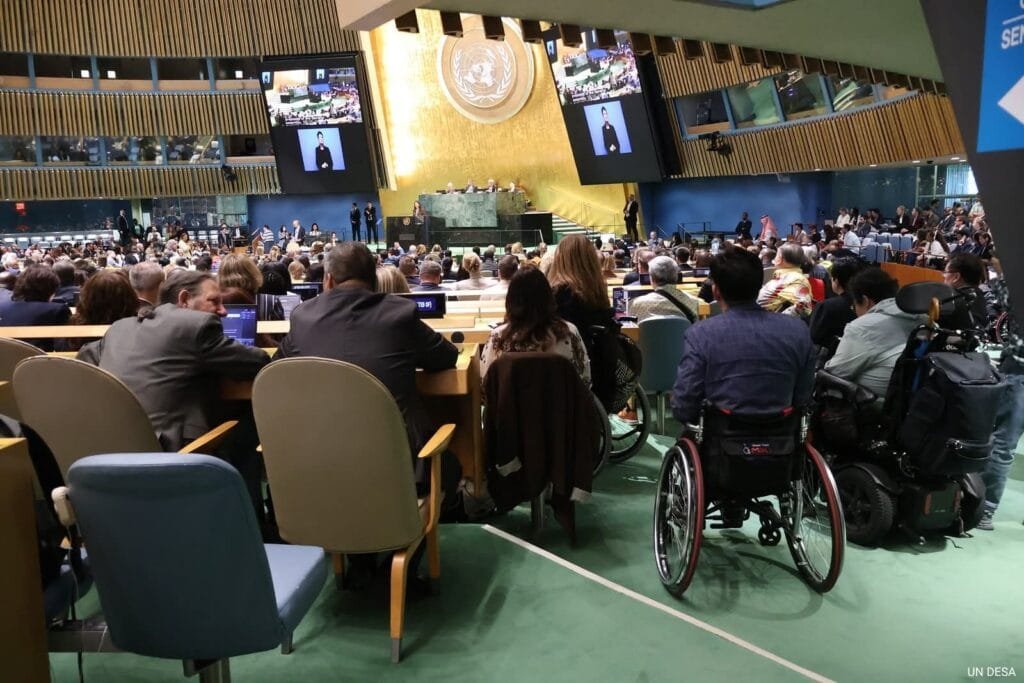
At the center of the conference is a simple but urgent principle: persons with disabilities should not merely be discussed in policy spaces; they must be able to participate, contribute and lead equally in the decisions that shape their lives.
For New York, the host city, the conference carries local significance. The city is home to large and diverse disability communities whose daily experiences reflect both progress and persistent exclusion.
Accessibility laws, public programs and advocacy networks exist, but gaps remain in employment security, affordable accessible housing, transit reliability, health equity and workplace accommodation.
The conference also highlights the need to protect persons with disabilities from violence, neglect and exploitation. That focus is especially important for people with intellectual disabilities, psychosocial disabilities, women and girls with disabilities, older adults, migrants with disabilities and people living in poverty, who often face overlapping risks.
Beyond protection, COSP19 is emphasizing autonomy and independence through stronger care and support systems. Disability advocates have long argued that support services should not trap people in dependency or isolation, but should help them live, work, study and participate fully in community life.
The final major focus, leadership, may be the most transformative. Accessible civic engagement means more than ramps and interpreters. It requires election systems, public hearings, digital platforms, community boards, schools, workplaces and media spaces where persons with disabilities are present as decision-makers, not afterthoughts.
As the conference continues in New York, its success will depend on what governments and institutions do after the speeches end. The real measure will be whether commitments made at the UN become stronger laws, better funding, accessible systems and lived dignity for persons with disabilities in everyday life.
About The Author