NYC Charter Commission moves open primaries proposal toward 2026 ballot
NYC Charter Revision Commission advances a proposal for open primaries and nonpartisan general elections for mayor and other local offices on the 2026 ballot.
By Mutiu Olawuyi
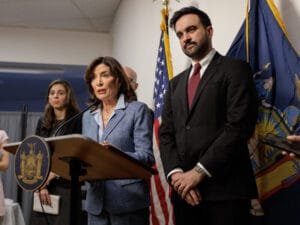
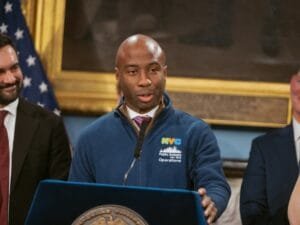
The New York City Charter Revision Commission has adopted an interim final report that could place a major election reform proposal before voters in the November 2026 general election.
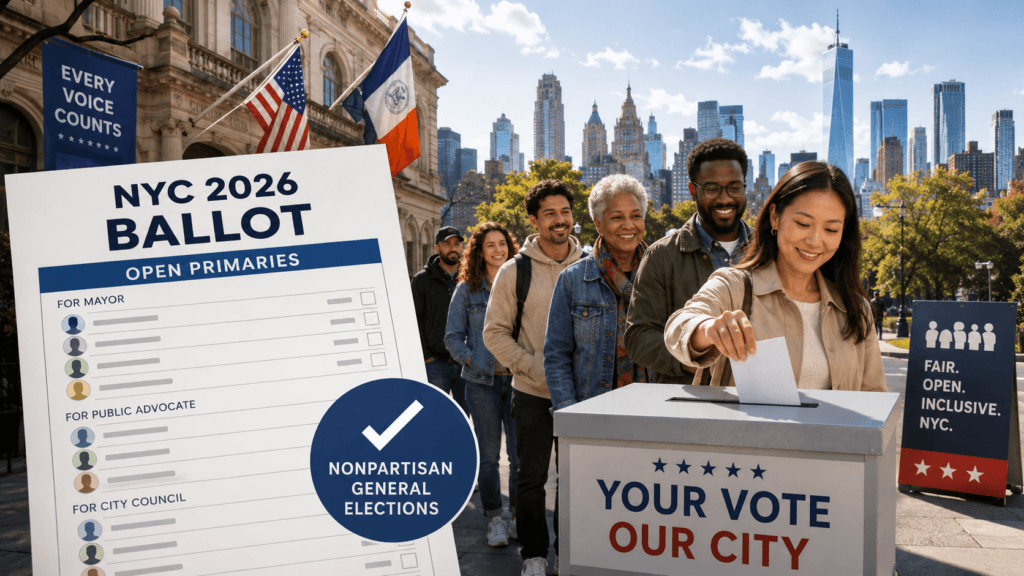
The proposal would ask New Yorkers whether the city should establish open primaries and nonpartisan general elections for mayor and other local elected offices.
Under the proposed system, all eligible candidates would participate in one open primary, all registered voters could cast ballots regardless of party affiliation, and the top two vote-getters would advance to the general election.
According to the report, the proposed amendment would apply to elections for Mayor, Public Advocate, Borough Presidents, Comptroller, and City Council members. Candidates would still be allowed to identify themselves by party affiliation on the ballot, if they choose.
The Commission said it is ready to act on the election reform question now while continuing to review other possible Charter changes for the same ballot cycle.
The report builds on the work of the 2025 Charter Revision Commission, which examined whether New York City should end its closed partisan primary system in local elections. That earlier review found significant public testimony in favor of open primaries and identified a top-two system as the most closely examined option.
The Commission also noted that more than 20 percent of registered New York City voters are independents, meaning they are effectively excluded from the city’s partisan primary system. Supporters of the proposal argue that allowing all registered voters to participate would expand voter access, reduce exclusion, and make local elections more representative of the city’s full electorate.
The report further states that about 80 percent of major U.S. cities with populations of 500,000 or more already use some form of open primaries or nonpartisan elections.
If approved by voters, the proposal would replace the current system, where party nominees advance from partisan primaries to the general election. A “Yes” vote would establish open primaries and nonpartisan general elections for mayor and other local offices. A “No” vote would keep partisan primaries and general elections among party nominees in place.
The proposal raises a central democratic question for New York: should local elections be shaped mainly by party membership, or should every registered voter have a voice at the first decisive stage of the process?
Supporters see the plan as a way to include unaffiliated voters and communities that feel locked out of closed party processes. Critics may raise concerns about party identity, voter education, ballot clarity, and whether a top-two system could limit political diversity in general elections.
The Commission’s interim final report does not end the broader Charter review process. It says the body will continue considering other proposals, including measures related to antisemitism and hate crimes, affordable housing development, and limits on the ability of local elected officials to raise their salaries during an election cycle.
For New Yorkers, the coming debate will be more than a technical discussion about election rules. It will test how the city defines voter access, political fairness, party accountability, and inclusive democracy in one of the most diverse urban electorates in the world.
About The Author